Iran Ceasefire Talks Restart in Berlin: Why Oil Keeps Falling as Hormuz Attacks Rise
US envoys met Qatari mediators in Berlin to revive the Iran ceasefire, yet Brent just logged a third weekly loss near $92.57 while Hormuz attacks jumped 50%. Here is why oil is falling anyway, the scenarios traders are watching, and what it means for Pakistan.
21 November 2026 · 7 min read
- The meeting took place while Qatar's Emir, Sheikh Tamim bin Hamad Al Thani, was on an official visit to Germany.
- The talks come against a sharp pick-up in violence at sea.
- The market is weighing two forces, and right now supply arithmetic is winning over fear.
- Nobody knows how the talks end.
Iran ceasefire talks are back on the table. US envoys Steve Witkoff and Jared Kushner met senior Qatari officials in Berlin on Thursday, 19 November, to discuss restoring the ceasefire with Iran and restarting nuclear talks, according to an Axios report carried by Middle East Eye and others. Yet the oil market barely looked up: Brent futures settled the week near $92.57 a barrel, a third straight weekly loss, while attacks on ships around the Strait of Hormuz were running at their fastest pace in more than a month.
That mismatch is the story for traders this weekend. Diplomacy is moving, the shooting is getting worse, and crude is falling anyway. Here is how those three things fit together, and what it means for oil, the dollar, gold and Pakistan.
What happened in Berlin, and what did not
The meeting took place while Qatar's Emir, Sheikh Tamim bin Hamad Al Thani, was on an official visit to Germany. After talks with Chancellor Friedrich Merz he called for diplomatic efforts to calm the region's conflicts, and Qatar's foreign minister held parallel talks with his German counterpart, Johann Wadephul.
According to the Axios account, Doha wants three things: the ceasefire restored, nuclear negotiations restarted, and no further military clashes. Nothing was signed. Mediators in Qatar and Oman are still passing terms between Washington and Tehran, and no source reports a breakthrough.
President Trump's own comments cut both ways. In a Fox News interview excerpted by the White House this week, he said Iran wants to make a deal and that the war would end "one way or the other." Later reports quoted him saying Tehran had not yet put forward a proposal the US could accept, and suggested any decision on further military action could slip into 2027. The Jerusalem Post, citing US and Israeli officials, reported that a strike has not been ruled out.
So the honest read is this: the channel is open again, the gap between the two sides is still wide, and the timetable is vague. Markets have seen this film before. The June memorandum collapsed, and the US-Iran ceasefire expired on 17 August, according to UKMTO data cited by gCaptain.
Hormuz attacks are rising, not falling
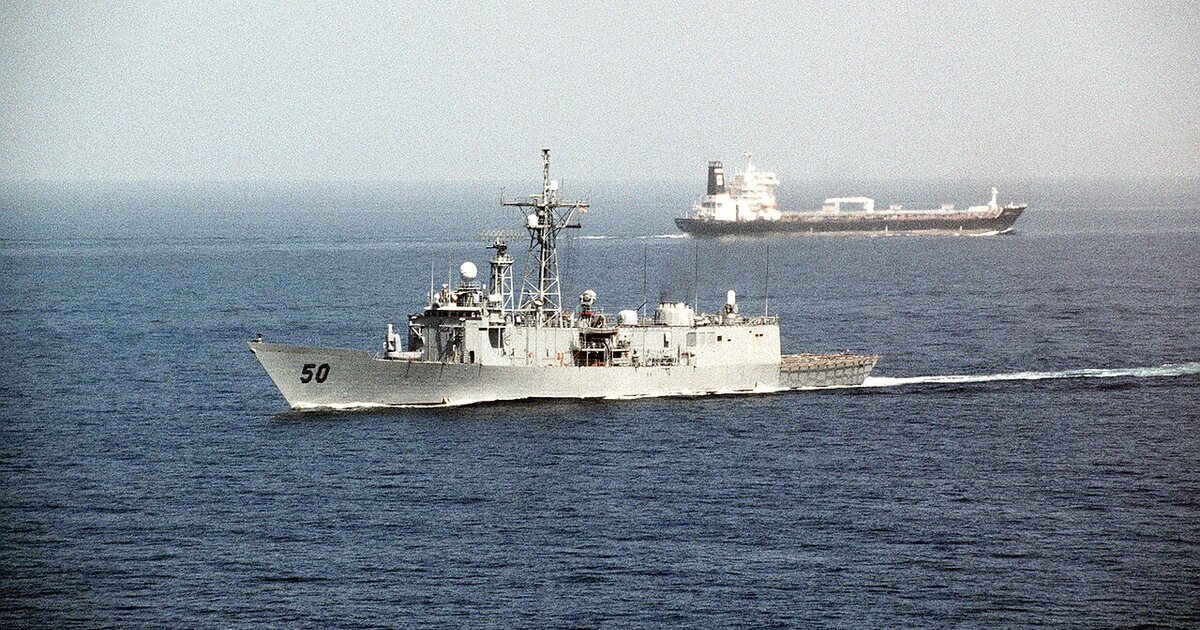
The talks come against a sharp pick-up in violence at sea.
- Orbital Risk Intelligence counted 15 attacks and piracy-related incidents in the seven days to 20 November, up about 50% on the week and the highest weekly total since mid-October (via gCaptain).
- A US official told the Jerusalem Post that Iran has started using anti-ship cruise missiles against vessels, which are far more lethal than drones.
- An ADNOC vessel was attacked on the evening of 17 November, with one crew member missing and 11 injured, according to Reuters-based reporting.
- UKMTO's weekly overview showed 115 outbound and 148 inbound transits in the week to 18 November, down from 139 and 169 a week earlier, and roughly 65% below pre-conflict traffic.
Kpler data cited by Bloomberg put oil flows through the strait at about 10 million barrels a day by 10 November, down from 13.4 million at the start of the month. Before the war began on 28 February, the strait carried around a fifth of the world's traded oil and gas.
On a normal day, numbers like these would put a floor under crude. This month they did not.
Why oil keeps falling while Hormuz burns
The market is weighing two forces, and right now supply arithmetic is winning over fear.
The surplus case is loud. The International Energy Agency now expects a supply surplus this quarter, putting it at about 1.7 to 2 million barrels a day in its November assessment. US crude inventories rose by 3.4 million barrels to 417.8 million in the week to 13 November, against a forecast for almost no change. China's refinery throughput fell 8.1% from a year earlier in October. Goldman Sachs sees Brent averaging $88 in 2027 and sliding to $78 by December 2027.
Supply is finding other routes. Saudi Arabia's East-West pipeline was running at around 5.8 million barrels a day in October, according to the energy minister, though Houthi drones have targeted its pumping stations this week. Iraq has restarted flows through its pipeline to Turkey. Iran has also reportedly exempted vessels flagged to Iraq, Qatar, China and India from its restrictions.
Risk appetite has collapsed. This was Wall Street's worst week since April 2025, with the AI trade unwinding and the market now pricing Fed hikes rather than cuts. When equities fall this hard, speculators cut exposure across the board, and oil is not spared.
The positioning data backs that up. CFTC figures show the speculative net long in WTI futures fell to 63,136 contracts in the week to 17 November, from 80,289 two weeks earlier. That is a fast exit.
I would not read the price drop as the market saying the war is over. It is saying that, at current flows, the world has enough oil for now. That is a much weaker claim, and it can flip quickly if a tanker sinks in the main channel or US strikes resume.
Cross-market scorecard at Friday's close
| Market | Friday close | Weekly move | What drove it |
|---|---|---|---|
| Brent crude (Jan) | $92.57 | about -3.4% | IEA surplus, US stock build, weak China |
| WTI crude | $83.41 | about -6.1% | Same, plus spec long liquidation |
| US Dollar Index | 103.84 | about +0.6% | Hawkish Fed repricing, risk-off |
| US 10-year yield | 4.95% | down about 18 bp | Haven bid into Treasuries |
| Gold (XAU/USD) | $3,538 | about -8.8% | Rate-hike fears, strong dollar |
| USD/PKR (interbank) | 276.25 | flat | Calm interbank trade |
Gold is the odd one out. In a normal war scare it would rally. This month it has been hit by the same dollar strength and hike bets crushing everything else; our daily gold analysis covers the levels in detail.
Scenarios traders are watching for oil
Nobody knows how the talks end. What we can do is map how the market is likely to react to each path. These are levels and reactions to watch, not trade calls.
| If this happens | Likely first reaction | Brent zone in focus |
|---|---|---|
| Qatar brokers a restored ceasefire with a Hormuz reopening plan | Risk premium drains further, tanker rates ease | $85 to $88 |
| Talks drag on, attacks stay at current pace | Range trade as surplus and risk cancel out | $88 to $96 |
| A tanker is sunk in the main lanes, or US strikes resume | Sharp spike, dollar and gold catch a haven bid | $98 to $105 |
| OPEC+ signals higher 2027 output on 29 November | Surplus story strengthens | Pressure toward the low $90s and below |
The asymmetry matters. A deal would remove a few dollars of premium that has already been partly priced out. A serious escalation could add $10 or more in days, which is why we would not treat the current slide as a one-way trade. You can follow live crude on our US Oil chart and the dollar on DXY.
What it means for Pakistan
Pakistan sits on the receiving end of every move in this story.
Cheaper crude is good news for the import bill. Petrol in Pakistan was set at Rs 322 a litre on 21 November, and a sustained Brent move toward the high $80s would give the government room to ease pump prices further. That matters for inflation and for the fuel subsidy debate ahead of the IMF board vote in December.
The rupee has been steady near 276 to the dollar, a calm that stands out given how hard the greenback has rallied against most currencies. The KSE-100 has also held up well, closing Friday near 177,383 and up about 7% over the past month, a sign local investors see lower oil as a net positive.
The risk runs the other way too. Pakistan's remittances depend heavily on Gulf economies, and any escalation that hits Saudi or Emirati infrastructure would hurt both oil prices and inflows at the same time. Gold buyers should also watch the dollar more than the headlines; the gold rate in Pakistan has tracked global prices lower this week, not higher.
The week ahead, in PKT
US markets have a short week because of Thanksgiving, which tends to thin liquidity and exaggerate moves on any headline from the Gulf.
| Day (PKT) | Event | Why it matters for oil and the dollar |
|---|---|---|
| Mon 23 Nov, 19:45 | US S&P Global flash PMIs | First read on growth after the sell-off |
| Tue 24 Nov, 20:00 | US Conference Board consumer confidence | Demand signal for fuel |
| Wed 25 Nov, 18:30 | US Q3 GDP (second estimate) and core PCE | Shapes Fed hike bets and the dollar |
| Thu 26 Nov | US markets closed for Thanksgiving | Thin trading, headline risk |
| Fri 27 Nov, 23:00 | Early US close | Low volume into the weekend |
| Sun 29 Nov | OPEC+ ministers meet on 2027 output | Key test of the surplus story |
Full times are on the economic calendar, and the morning market brief will flag any change.
Bottom line
The Berlin meeting is a real step: the US and Qatar are talking seriously about restoring a ceasefire, and Doha has carried messages between the two sides throughout the war. But nothing has been agreed, attacks in the strait are rising, and Washington has kept the military option open. Oil is falling for supply and demand reasons, not because the risk has gone away. For the next two weeks the market will be pulled between the OPEC+ meeting and the next headline out of Doha or Muscat, in thin holiday trade. Size positions for that kind of noise, and the position size calculator is a sensible place to start.
- Middle East Eye: Trump envoys met Qatari officials in Berlin to discuss US-Iran mediation
- Jerusalem Post: Iran using deadlier missiles to target ships in Strait of Hormuz
- House of Saud: Hormuz oil flows fall to 10 million b/d in November 2026
- Gulf News: Iran war at crossroads as Trump demands lasting deal
- Nation Thailand (Reuters): Oil falls as US crude stocks rise by 3.4m barrels
- CFTC Commitments of Traders
Education only — not financial advice. Trading carries a high risk of loss.